
More seasons from the unit you own
AC and Heating Repair in Stone Mountain, GA for Systems With Some Miles on Them
Whether the house sits a few streets from Stone Mountain Park or farther out, an older air conditioner, furnace or heat pump gets tested, patched properly and kept in service as long as the repair still pays for itself.
- Tested before quotedA tech puts meters on the equipment and finds the fault, then names the repair cost.
- Nearby stopsTucker, Lilburn, Snellville, Redan and Lithonia

Why older systems end up on our schedule
Fix first, replace last
If a worn part can be swapped and the rest of the unit is sound, that is the recommendation.
Numbers on the gauges
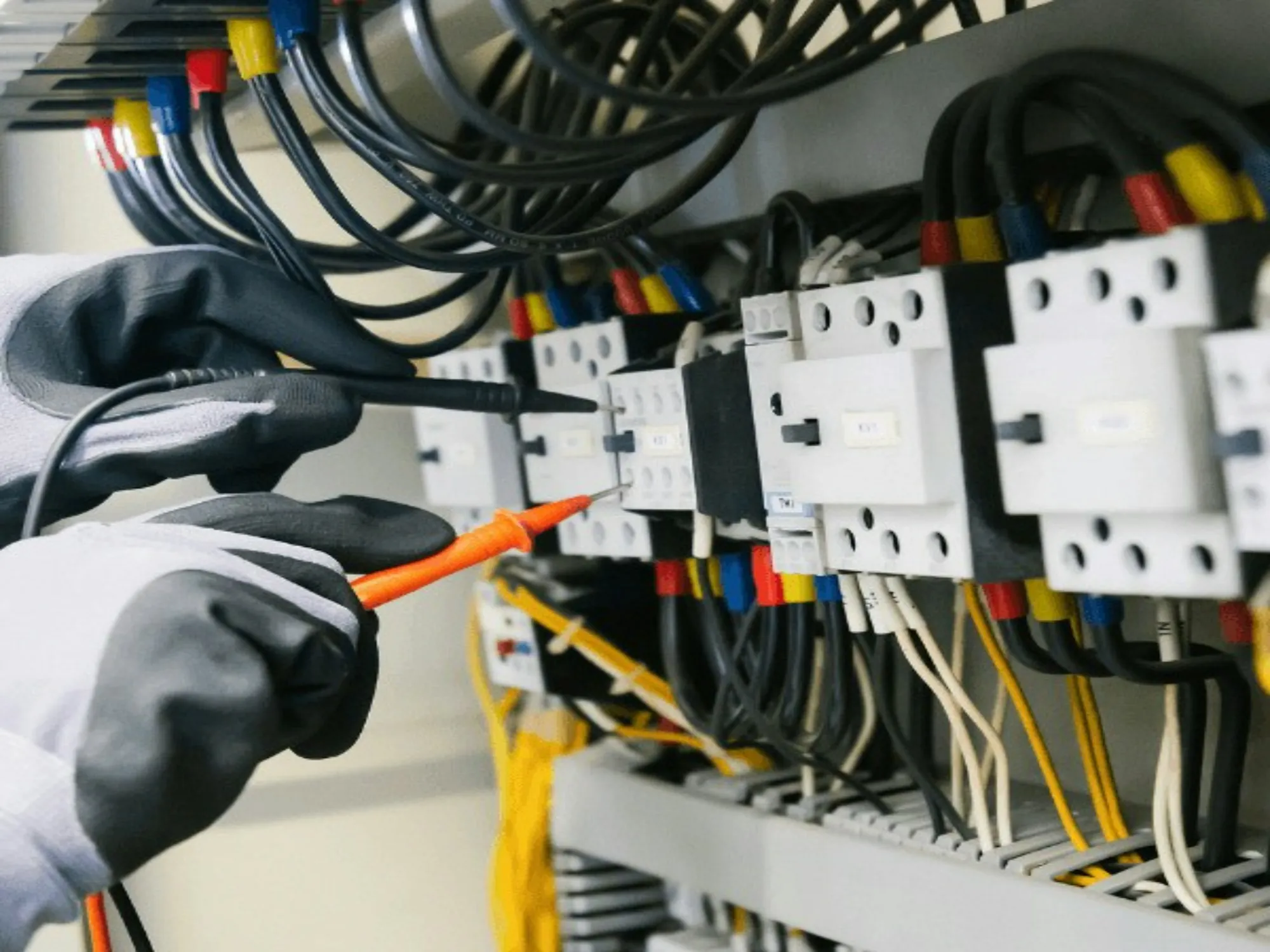
Every diagnosis comes off a meter or a gauge, and you are welcome to look over the tech's shoulder.
Shoe covers and drop cloths
Carpet, hardwood and attic insulation get treated like they belong to someone, because they do.
Open all week
Visits go out seven days running, and a weekend breakdown does not have to wait out the workweek.
A night number that rings through
When a breakdown is urgent, the emergency line is staffed after dark too.
What Can We Fix, Replace or Tune for You?
Is the condenser humming with the fan sitting still? Is the furnace lighting and then quitting? Is a rooftop unit over your shop blowing warm? Each of those lands somewhere on this list. Find the closest match, or just phone and describe what you are hearing.
AC Repair
Lukewarm supply air, a sweating or iced suction line, short bursts of running, water in the pan or a breaker that pops. Capacitors, contactors, fan motors, drain lines, controls and refrigerant leaks are what usually turn up, and an older unit often has plenty left once the weak part is replaced.
AC Installation & Replacement
Sometimes the honest answer is that the old condenser has earned its retirement. When it has, the new equipment is sized by load, paired with the right indoor coil, connected with a fresh line set, drain and wiring, permitted where the county asks, started up under test and the old one is hauled off.
Heating & Furnace Repair
A furnace that clicks, glows, lights and drops out, or one blowing room-temperature air, usually has one tired component. The tech walks the ignition chain link by link, from draft fan to flame rod to blower. Smell gas? Get outside and phone the gas company or 911 before anything else.
Heat Pump Services
Repairs, swaps and fresh installs for the outdoor unit that both cools and heats. Steam in a January defrost is fine; a coil that stays frozen or strips that never shut off are not. Hybrid systems with a gas furnace for backup are part of the work too.
HVAC Maintenance
An older system lasts longest when someone looks at it twice a year. On each tune-up the tech washes coils, clears the drain, tests the electrical side, logs charge and airflow, inspects burners and safeties, slips in a new filter and hands you the findings on paper.
Emergency HVAC Repair
Dead cooling on a scorching afternoon, a cold furnace at midnight, water dripping through drywall or a hot-wire smell from the registers. The after-hours number reaches a person, and the first job is telling you what to shut off.
Commercial HVAC
Package rooftop units, split systems and zoned equipment over offices, storefronts, kitchens, clinics, churches and small shops. Repairs and upkeep get slotted around your open hours, and aging units get a replacement timeline you can budget for.
So You Phoned. Now What?
Symptoms first
What is the system doing? How old is it? Any rattles, drips, odors or breaker trips? A few answers on the phone tell the tech which tools and parts to bring along.
Meters before opinions
On site, the tech checks voltage, amperage, refrigerant pressure and temperatures, then confirms which part has quit. Nothing gets replaced on a hunch.
Repair or retire, your call
You hear what failed, what it costs to fix and whether the rest of the system looks healthy enough to justify it. If replacement is the smarter spend, you hear that too, with the full price for each path.
Fixed, run and cleaned up
Once you say go, the work gets done under drop cloths, the system completes a whole cycle with gauges still attached, and the work area is swept before anyone leaves.
Why Do Homeowners and Shop Owners Keep Our Number?
Plenty of systems around here have a lot of years on them, and that is fine. The goal is keeping them running when the numbers say they are worth it, and telling you straight when they are not.
We leave the house the way we found it
Shoe covers go on at the door, drop cloths go down around the air handler, and old parts, packaging and the retired equipment leave in our truck. You should not be able to tell a tech was there except that the air feels right again.
A straight answer on keeping it or replacing it
Age alone does not doom a system. We lay out the condition of the coil, compressor and blower, how often it has needed work and what the next repair would cost, so the decision rests on facts rather than a sales pitch.
Kitchens and storefronts too
The same crew that fixes a heat pump in a split-level also climbs onto rooftop units over restaurants and offices. If you run a business and own a home, one number handles both.
Where in DeKalb and Gwinnett Do We Go?
Home base is Stone Mountain, from the historic village on Main Street out along Memorial Drive, US 78 and Rockbridge Road. Many neighborhoods here went up in the seventies, eighties and nineties, which means plenty of original ductwork, equipment that has been repaired a few times and attics that bake in July. Those are exactly the systems that benefit from careful repair instead of a quick swap. Newer two-story homes nearby bring their own puzzle: a downstairs that cools fine and bedrooms that never do. We cover Stone Mountain and the surrounding communities of Tucker, Lilburn, Snellville, Lithonia, Redan, Clarkston and Decatur, along with Norcross, Conyers and Grayson.
Original ducts, older equipment
Houses from a few decades back often carry leaky return ducts and units patched over the years. We check the whole loop before deciding what needs work.
Bedrooms that stay warm
When an upstairs never catches up, airflow, return size and refrigerant charge get measured before anyone suggests bigger equipment.
The same number in every town
Redan, Clarkston or Grayson, phoning (770) 637-0238 gets you the same crew and the same fix-it-first approach.
Nearby stops
- Stone MountainUS 78 & Memorial DriveHome base
- TuckerLawrenceville Highway
- LilburnUS 29
- SnellvilleUS 78
- LithoniaI-20
- RedanRedan Road
- ClarkstonI-285
- DecaturPonce de Leon Avenue
- NorcrossI-85
- ConyersI-20
- GraysonGA 20
A little outside these towns? Ask anyway. If the drive works, the tech will come.
Find out if a tech drives your way: (770) 637-0238Is Your Old Unit Worth Another Repair?
Phone in with the system's rough age and its symptoms. A tech will tell you what usually fails on equipment like yours, what the visit involves and how the cost gets set before work starts.
Ask a tech about your aging system: (770) 637-0238Just a conversation. Nothing to sign and no hard sell.
What Do Stone Mountain Callers Ask Most?
Quick answers from the field to the questions we hear week in, week out.
Why is there water on the floor by my indoor AC unit?
Usually the condensate drain is clogged, the pan has cracked or rusted, or the evaporator coil froze and is now melting faster than the drain can carry it away. Switch the system off at the thermostat to stop more water, then look for a float switch that may have tripped. A tech clears the line, checks the pan and finds out whether a frozen coil points to a bigger airflow or refrigerant problem.
The cooling stopped during a heat wave. What do I check before phoning?
Look at three things: the thermostat mode and setpoint, the breakers for the indoor and outdoor units, and the air filter. If the copper line is iced, water is leaking or anything smells hot, shut the system off and leave it off. Keep older relatives, babies and pets in the coolest part of the house, then phone the emergency line.
What makes one repair bill bigger than another?
The part that failed, how hard it is to reach, the type and size of the equipment and, for replacements, the ductwork, electrical changes and any permit involved. That is why we diagnose before quoting. Once the tech knows the cause, you get the exact cost, and the work starts only after you agree to it.
Do heat pumps make sense here, where winters are short?
Often they do. A heat pump handles the long cooling season and covers most winter days efficiently, and on the handful of truly frigid nights, electric strips or a paired gas furnace pick up the slack. Whether it fits your house depends on the ductwork, the existing heating and how you like to run the system, which we can talk through.
Heat pump versus central AC: what separates them?
During cooling season there is no practical difference; both haul indoor heat outdoors. A heat pump adds a reversing valve so it can run that process backward in winter and bring heat indoors. A plain AC has no winter role and leans on a furnace or electric strips once it turns cold.
Twice a year, once a year, or only when it breaks: how often should it be serviced?
Twice a year is the usual rhythm: cooling before summer and heating before winter. Heat pumps work in both seasons, so both visits matter. Older systems benefit the most, because the small problems that cause breakdowns tend to show up on the readings first.
My AC is low on refrigerant. Is that a leak, and can it be fixed?
Yes, low refrigerant means a leak, because the system is sealed and does not use refrigerant up. Many leaks at fittings, valves or a section of line set can be repaired. If the leak is in an aging coil, we compare the repair cost with replacing the coil or the system and let you choose.
Why is one room an oven while another is an icebox?
Common causes are leaky or undersized ducts, closed or blocked registers, a weak return, a dirty coil or filter, or a system that cannot reach the far end of the house. Two-story homes add rising heat to the mix. Measuring airflow at the registers usually shows where the comfort is getting lost.
My condenser outside has gotten loud. What does that mean?
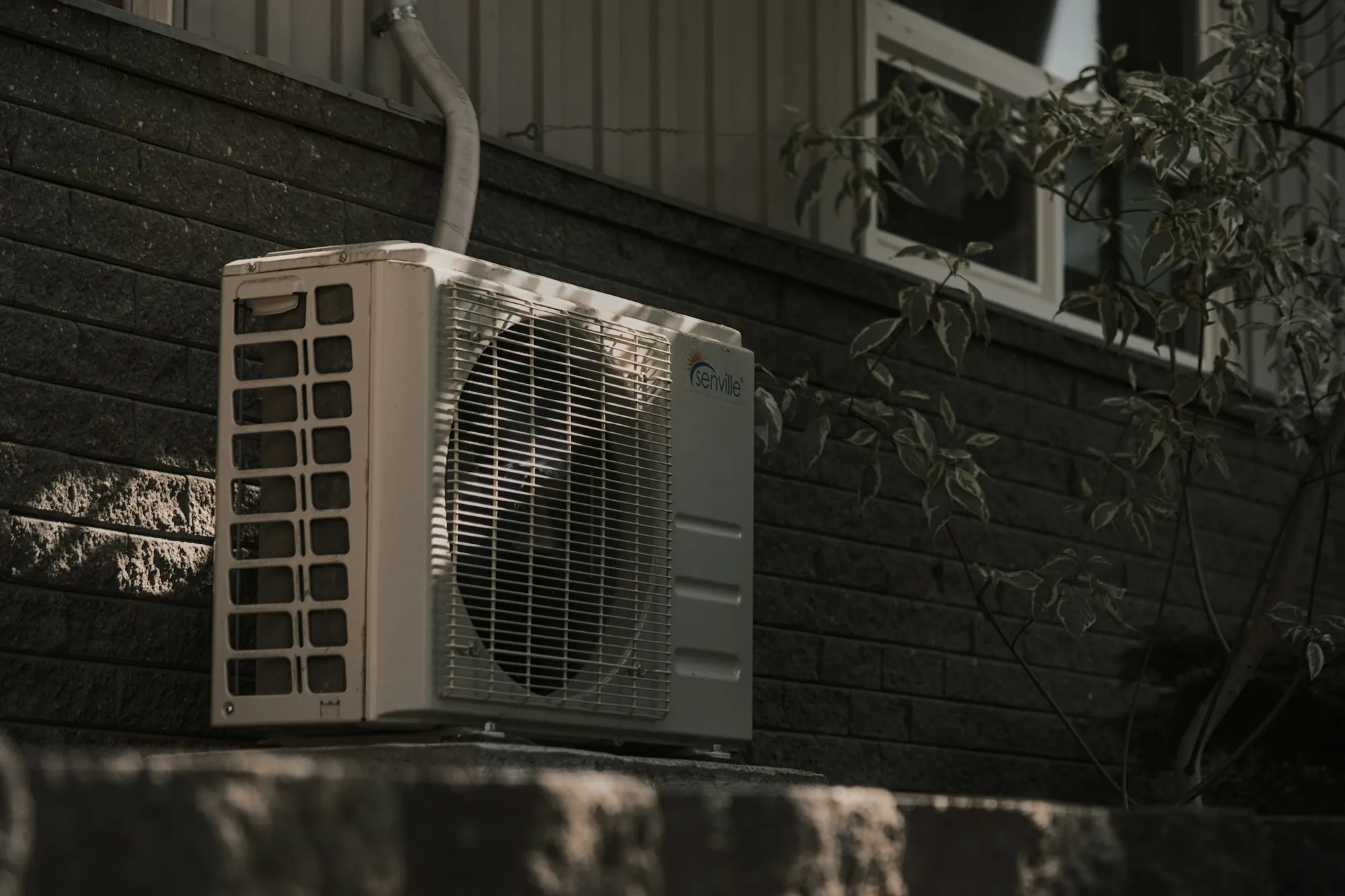
Humming or buzzing usually traces to a worn capacitor or a sticky contactor. A rattle may be a panel screw backing out or sticks caught in the fan blade, grinding or squealing usually means a fan motor bearing, and a loud bang at startup can signal a struggling compressor. Turn the unit off if the noise is harsh or new, and have a tech find the source before it does more damage.
What does a tune-up actually include?
Coil and drain cleaning, tightening and testing electrical parts, measuring refrigerant pressure, temperature split and airflow, and on the heating side, checking burners, igniter, flame sensor and every safety control. The visit ends with a clean filter and a page listing each reading plus any part showing wear.
Who Is Behind HVAC Stone Mountain?
HVAC Stone Mountain is built for people with systems that have some years on them and want an honest read on what is worth fixing. Techs show up ready to measure, explain the fault in plain terms, and leave the house clean. Homes, rentals and small commercial buildings all get the same treatment.
How we run a service call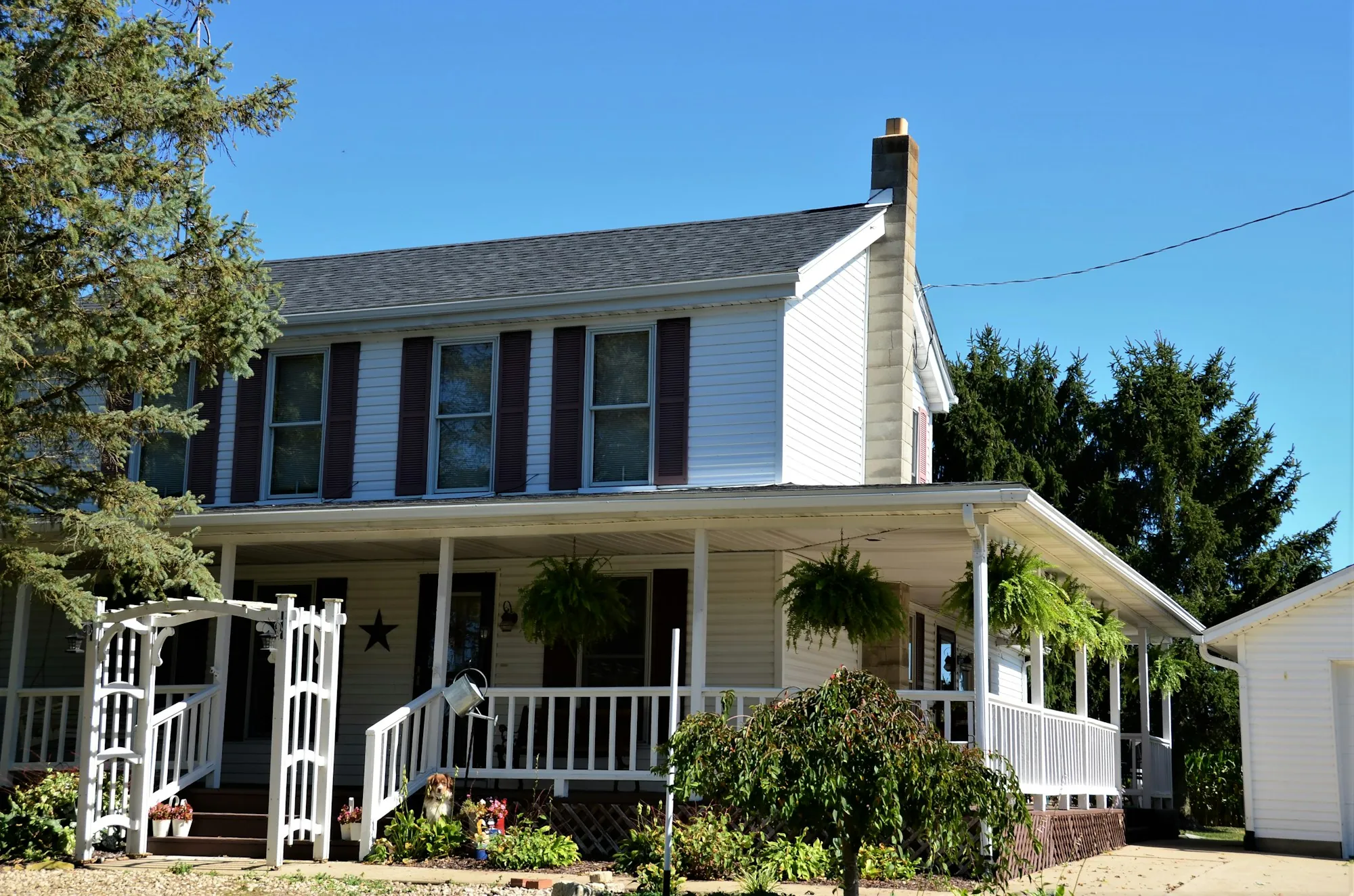
Can Your System Be Saved? Let a Tech Find Out
Give us the rundown on what the unit is doing and roughly how old it is. You will hear what probably failed, what the visit looks like and how the cost is set, all in one call.
Stone Mountain plus the neighboring DeKalb and Gwinnett communities.